3 hr
San Antonio Evening Tour with Tower & River Cruise
- Entry ticket
- Mobile voucher
- Valid same day
- Free cancellation
San Antonio River Cruise — Narrated Boat Tours Along the River Walk
Glide beneath stone bridges and historic cantinas, where the city's heart flows at five feet below street level.
Compare fares, pick the fit — all bookings are mobile-voucher and eligible for free cancellation where shown.
3 hr
4 hr
| Experience | Duration | Rating | Pickup | Skip-the-line | Small group | Free cancel. | Price | |
|---|---|---|---|---|---|---|---|---|
|
Standard Entry
Most popular
San Antonio Evening Tour with Tower & River Cruise
|
3 hr | ★ 4.8 | ✓ | — | ✓ | ✓ | $129 | Book → |
|
Premium Combo
San Antonio Trolley & River Cruise Combo
|
Full day flexible access | ★ 4.5 | — | — | — | ✓ | $68 | Book → |
|
Guided Experience
San Antonio River Walk Walking Tour & Boat Cruise
|
4 hr | ★ 4.5 | — | ✓ | ✓ | ✓ | €68 | Book → |
Worth it for first-timers and history buffs
At $16.78 per adult, a san antonio river cruise delivers solid value for visitors wanting a water-level perspective of downtown landmarks without the fatigue of walking. The 35-minute narrated tour covers River Walk history, architecture, and local trivia while passing beneath stone bridges and past restaurants you'd otherwise rush by on foot. The guided commentary distinguishes this from simply strolling the paseo—you'll learn about the 1968 HemisFair transformation and how flood control shaped the channel. The tour works best for first-time visitors building context before exploring on foot, or for anyone with mobility constraints who wants River Walk access without stairs and crowds. Repeat visitors and locals will find limited new material, and the relatively short duration means you're paying roughly $0.48 per minute of narration. San antonio river cruise tickets make sense if you value curated storytelling over self-guided wandering, but skip it if you prefer discovering the River Walk independently.
Bottom line: The san antonio river cruise tour pays off if you value context and comfort over independent exploration, especially on a first visit.
Hand-picked experiences loved by thousands of travelers
3 hours
Free Cancellation
Taste your way through San Antonio's famous waterfront with a local guide and authentic eats
3 hours
Free Cancellation
Explore historic downtown on foot with stories of the Alamo, celebrity connections, and architectural wonders
1.5 hours
Free Cancellation
Uncover dark legends and unsolved mysteries on a spine-tingling 90-minute stroll through historic streets
30 days
Free Cancellation
Pick any three top-rated San Antonio experiences with a single flexible pass valid for 30 days
2 hours
Free Cancellation
Explore San Antonio's storied past on a guided stroll through downtown landmarks and the River Walk
2 hours
Free Cancellation
Taste your way through San Antonio's dessert scene while discovering the city's heritage and iconic landmarks
4 hours
Free Cancellation
Discover the River City's iconic sites, savor dinner at a renowned bistro, and cruise the illuminated waterways.
This historic district served as one of the city's first neighborhoods and remains a cultural hub. It features 19th-century architecture and artisan shops along the water.
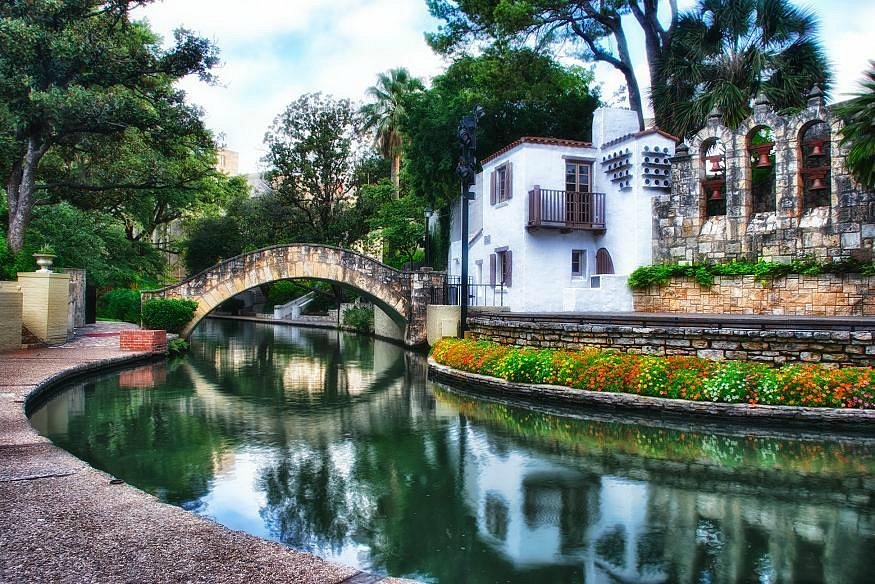
Named in honor of the Tejano music legend, this scenic stone bridge is a favorite photography spot. It connects important pathways and is a staple of the downtown river scenery.
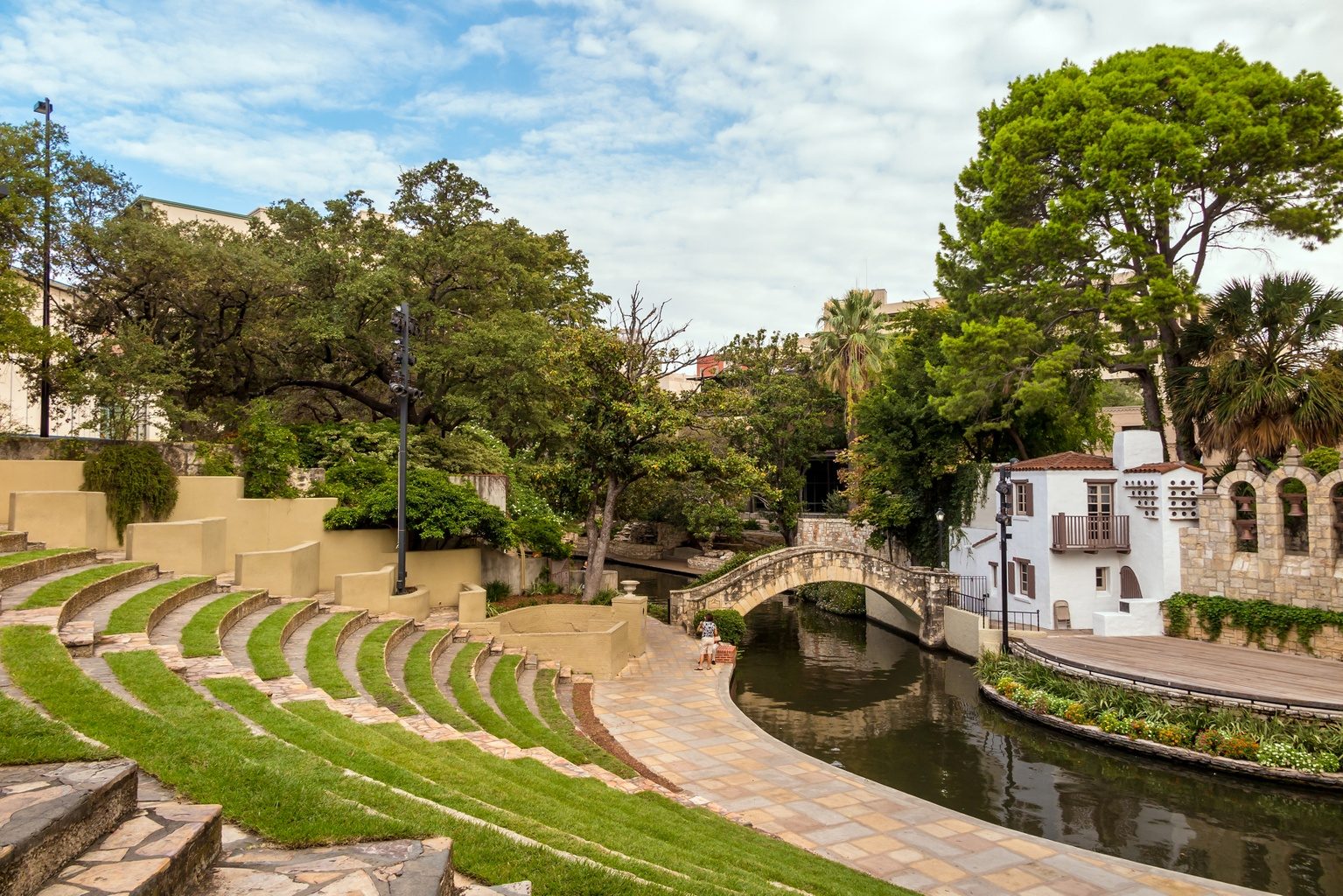
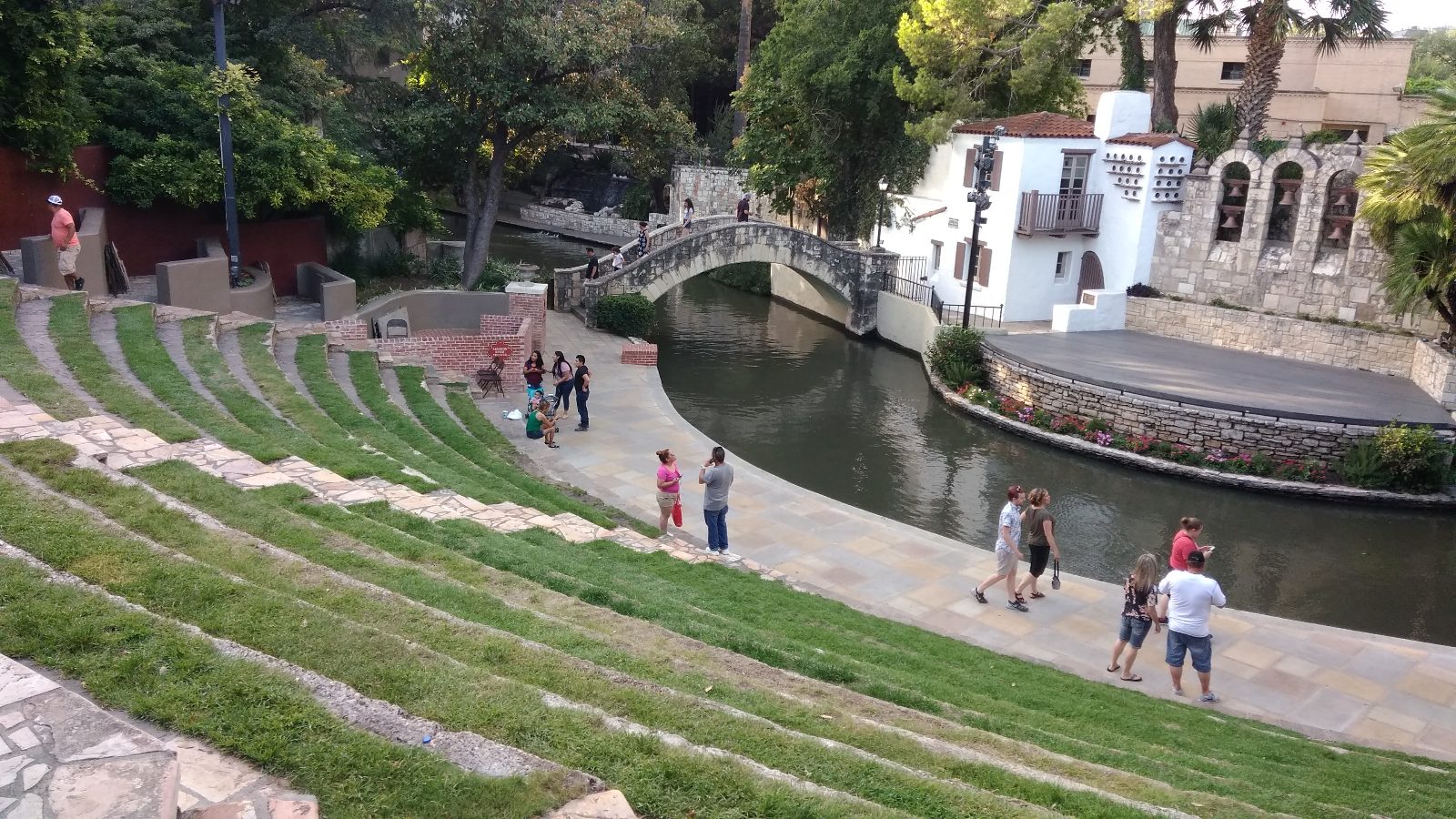
This outdoor amphitheater is built directly into the riverbank and hosts various performances. It is an architectural landmark that showcases the river's unique urban integration.
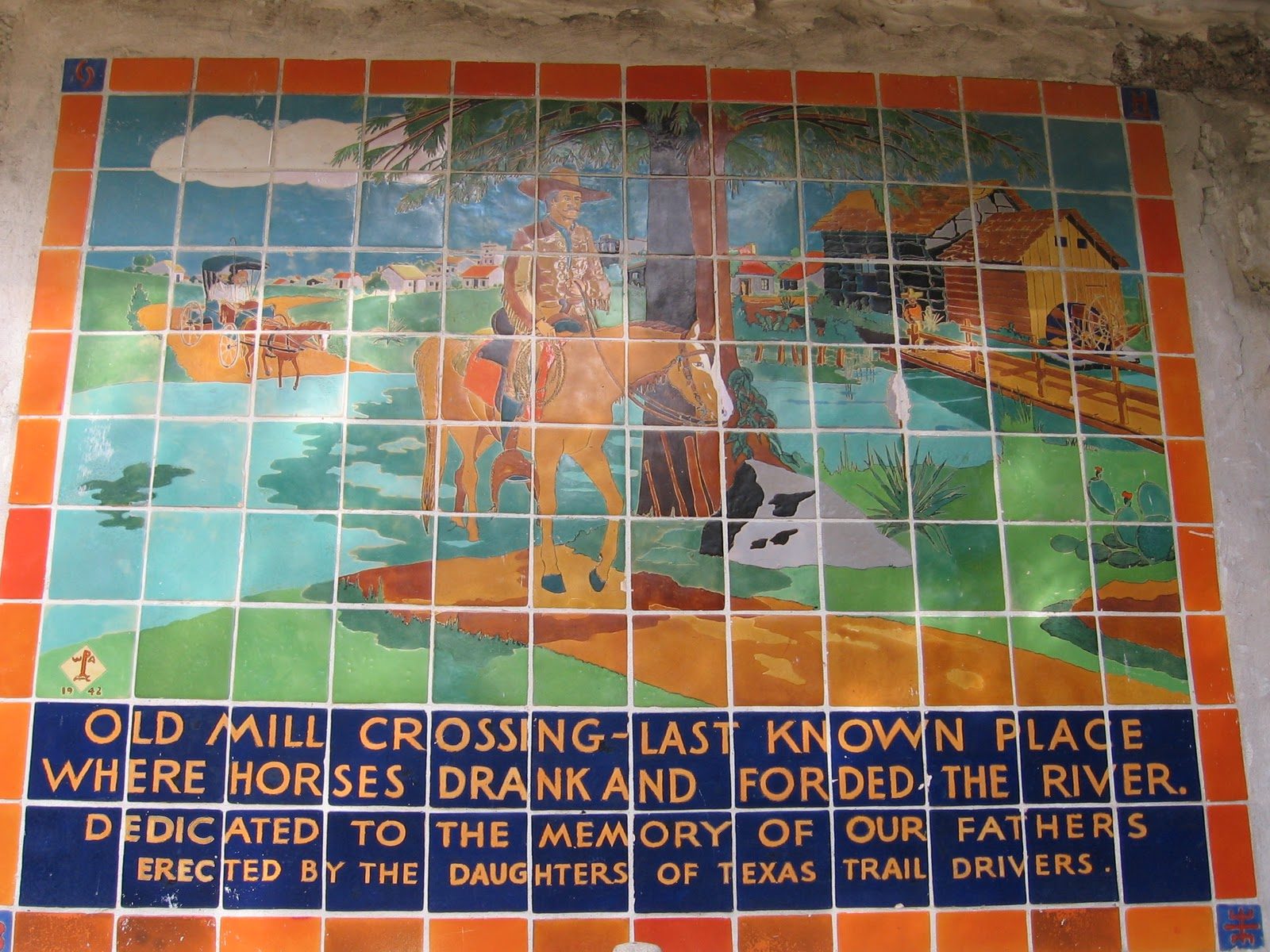
This site marks the historical location of a traditional mill and is a notable point of interest on the tour route. The area highlights the river's industrial past.
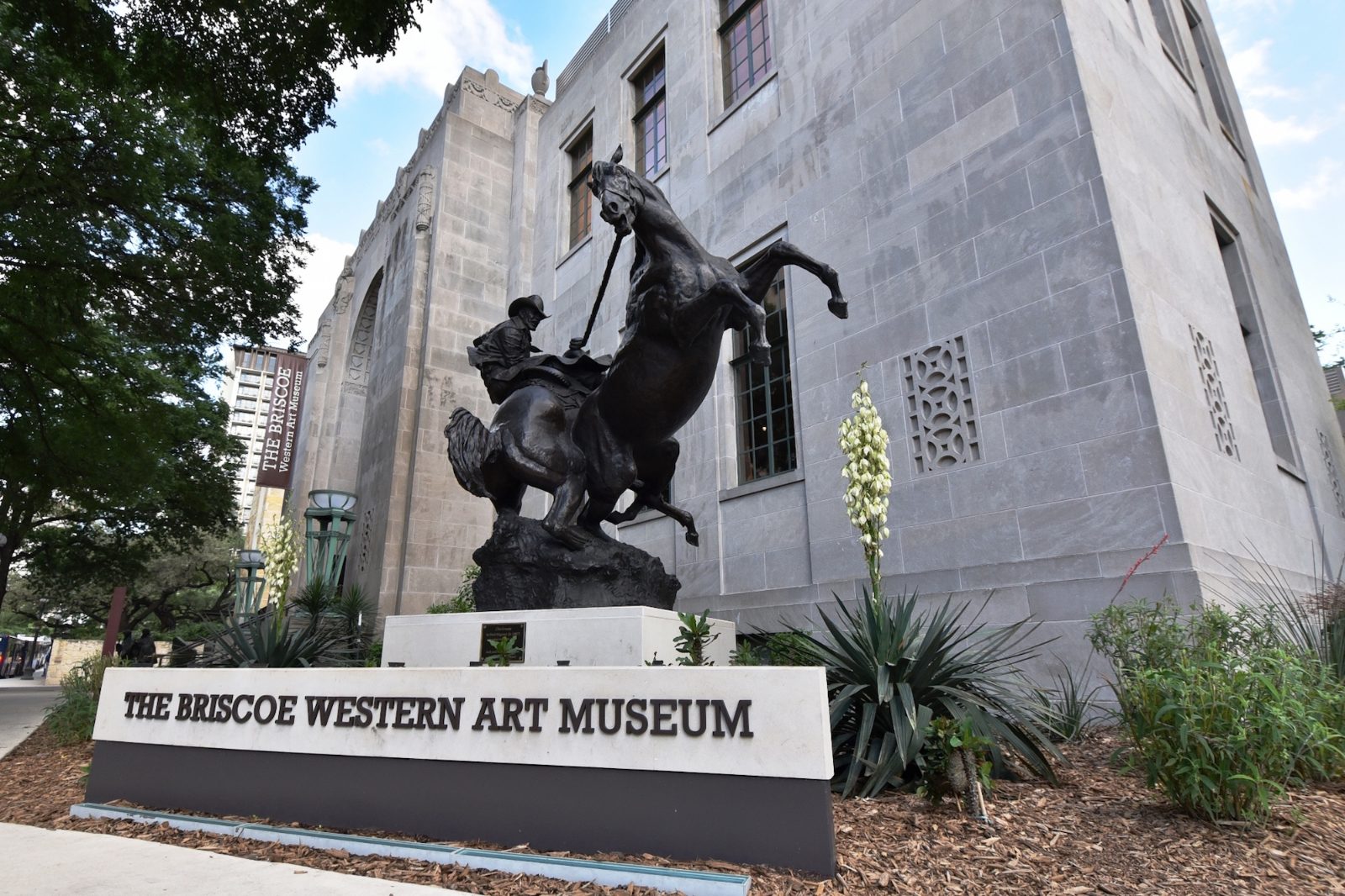
Located prominently along the route, this museum houses an extensive collection of western artifacts. It is a key cultural landmark accessible via the river.
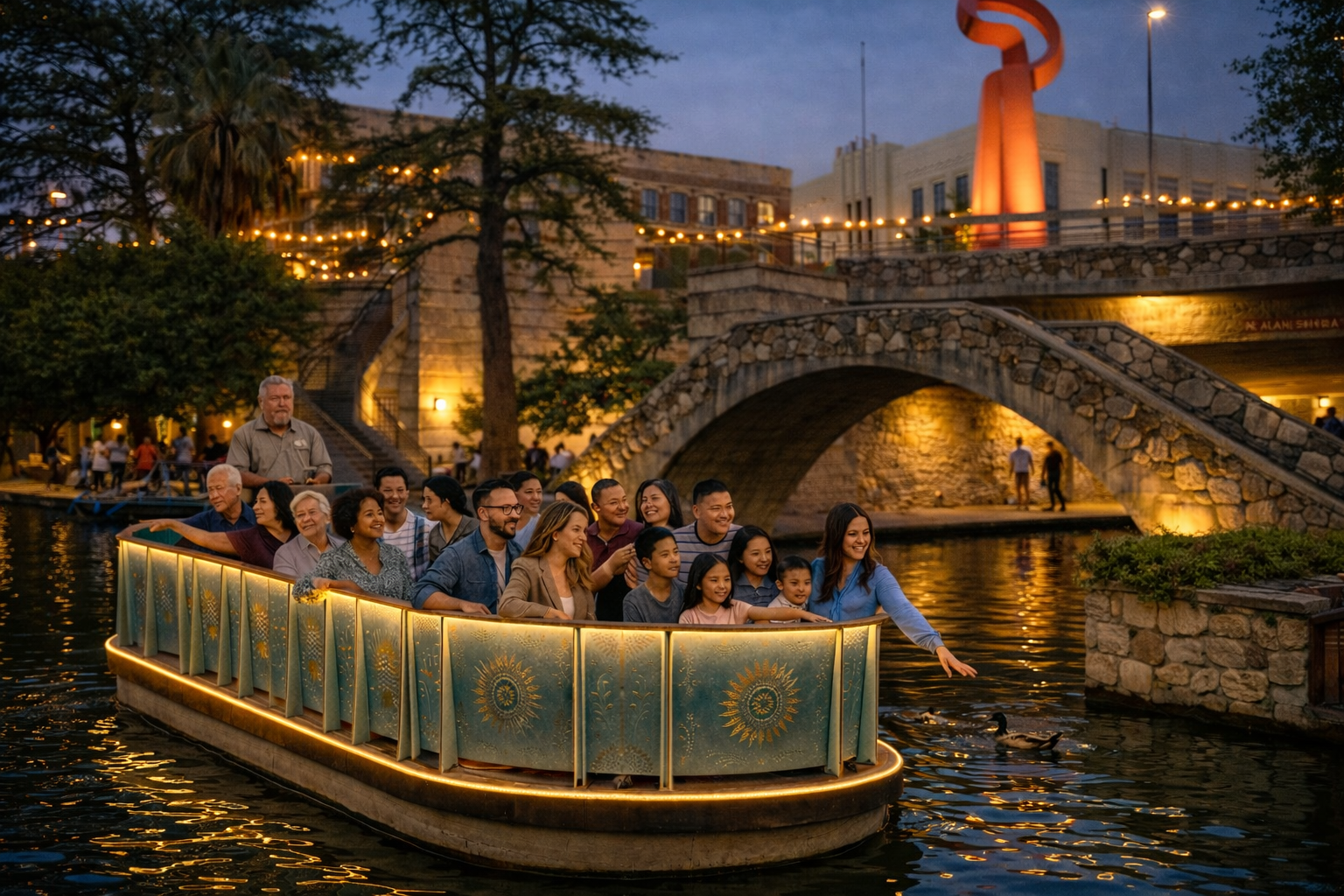
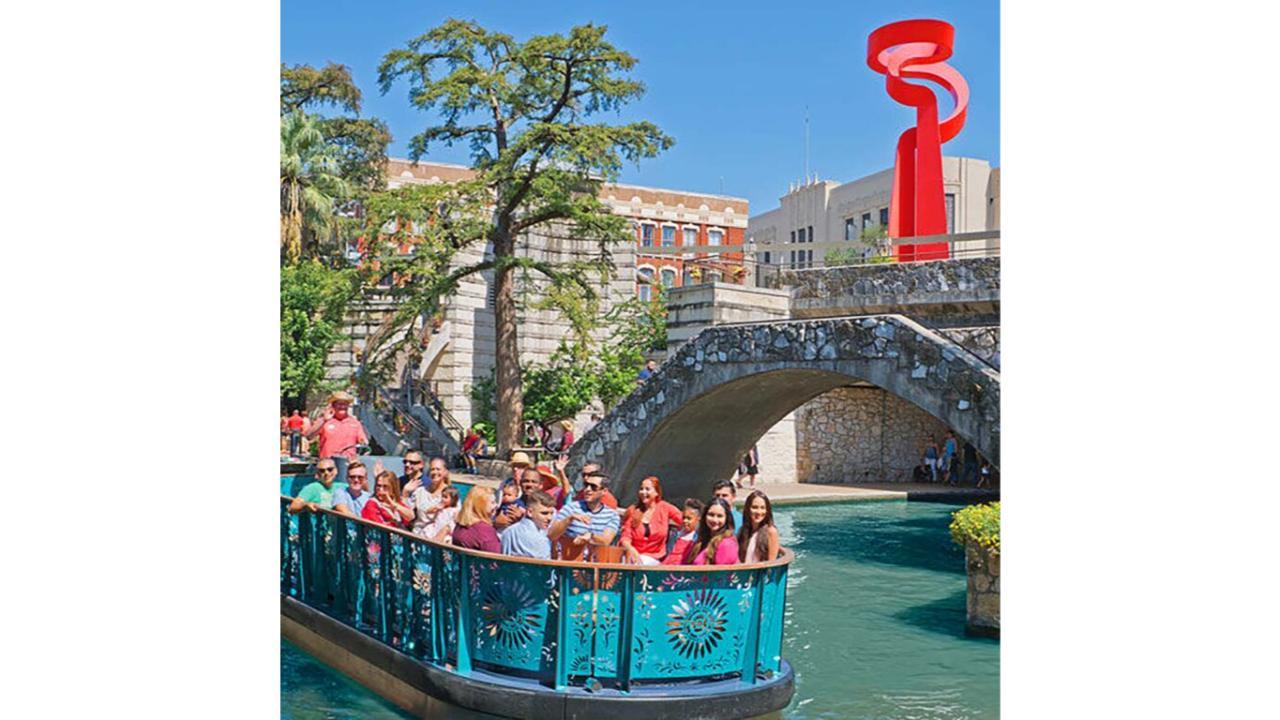
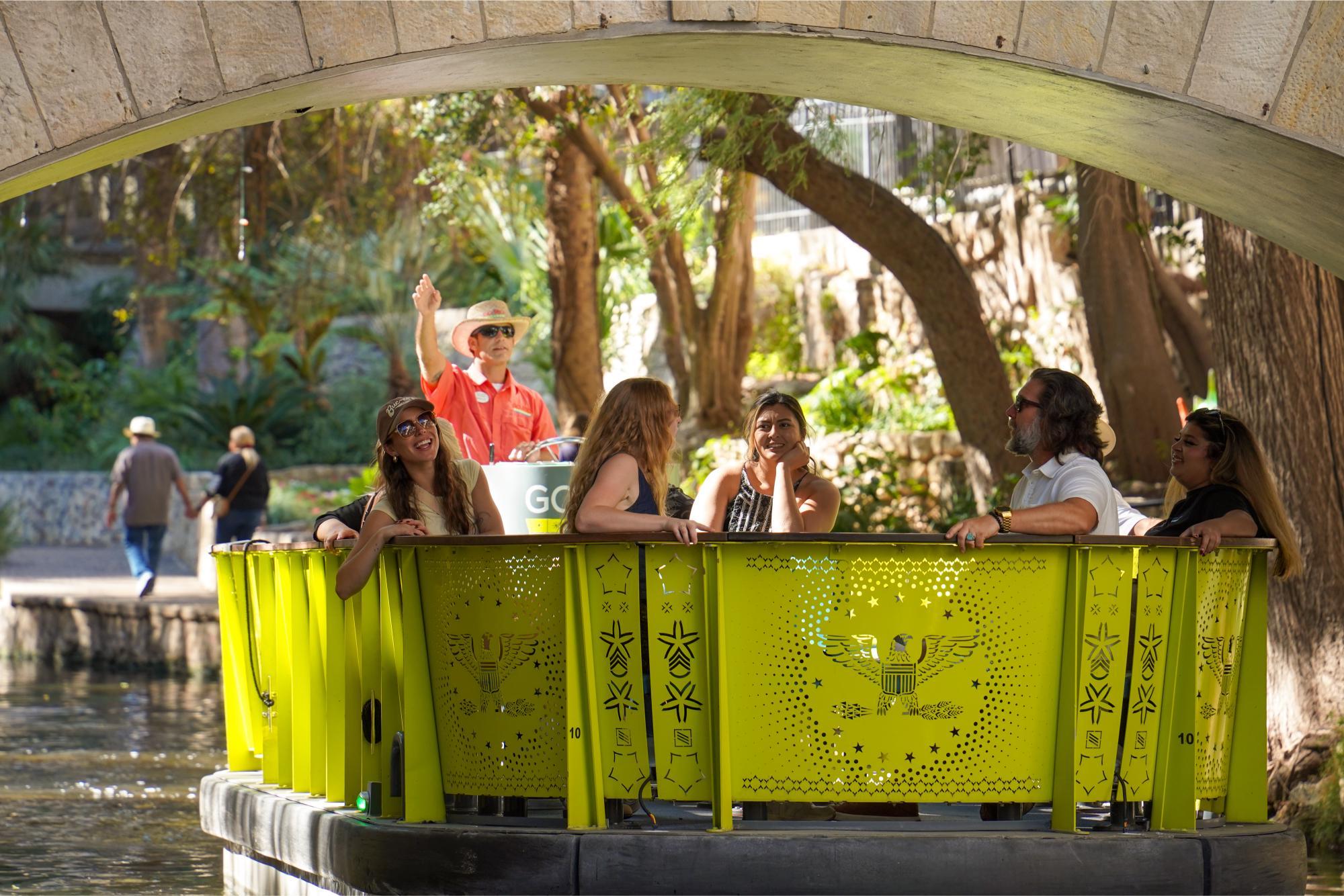
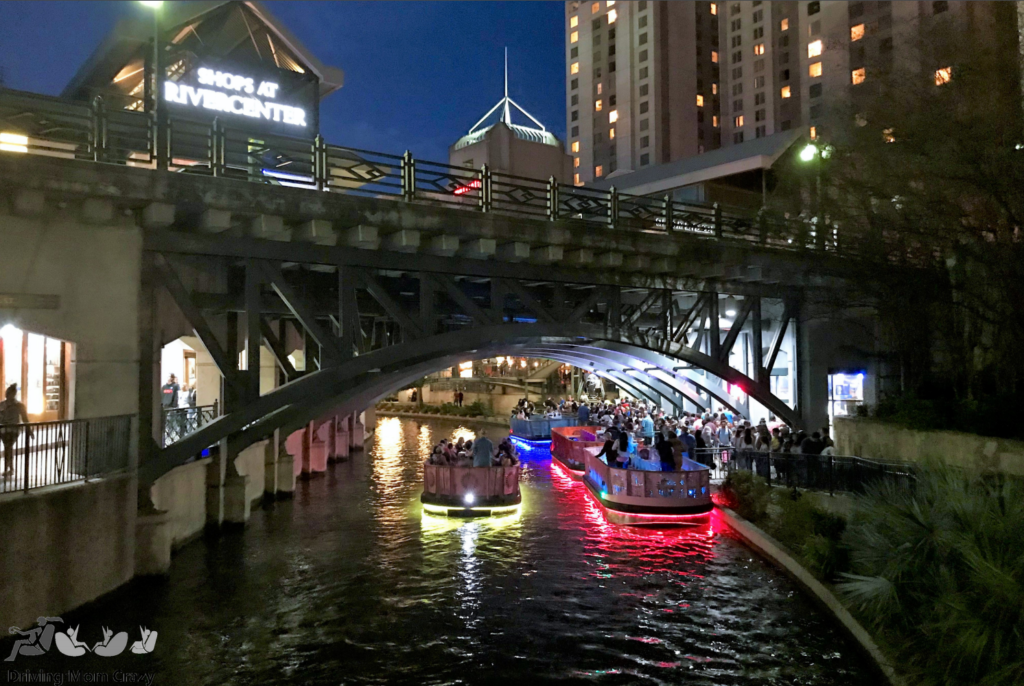
You descend the limestone staircase at 706 River Walk and step onto the boarding dock, where flat-bottomed barges queue beneath a canopy of bald cypress. The boat departs promptly, its electric motor nearly silent as you slip beneath the Commerce Street Bridge.
Your guide identifies the original WPA stonework on your left—hand-laid blocks from 1939, now darkened by decades of algae and river silt.
The channel narrows past the Torch of Friendship, where wrought-iron gates frame the water. You pass beneath fourteen more bridges in the next twenty minutes, each arch numbered by the city's 1968 expansion project. At the Arneson River Theatre, tiered stone benches rise on your right while the stage occupies the opposite bank, bisected by the river itself. Your guide notes the theatre's 1939 dedication, when the mayor addressed the crowd from a barge.
The route curves west at the Hugman Dam, and you enter the quieter Museum Reach segment. Native grasses replace manicured pathways here. Turtles sun on exposed limestone. You return downstream past La Villita's flagstone plaza, where iron balconies overhang the water. The thirty-five-minute loop ends where it began, beneath the same cypress canopy, the city's street-level hum resuming overhead.
All the details about your upcoming adventure in one place
A san antonio river cruise glides along the historic waterway beneath cypress trees and limestone bridges, offering narrated commentary on the district's architecture and landmarks. River Walk boat tours depart from multiple docks along the Paseo del Rio, passing cafés, murals, and heritage sites. San antonio river cruise tickets include access to climate-controlled barges with open-air seating.
The San Antonio River flows twenty feet narrower through downtown than it did in 1929, when architect Robert Hugman persuaded the city to abandon plans for a street-level paving project and instead dig stone staircases into the floodplain.
The horseshoe bend below Commerce Street had flooded seventeen times in fifty years. Hugman's vision turned liability into civic theater: a sunken promenade lined with cypress and palm, accessible only by descending into what locals now call the Paseo del Río.
Today the River Walk carries more than fifteen million visitors annually, and the San Antonio river cruise remains the most efficient way to decode its geography. Narrated boat tours glide beneath thirty-five arched bridges, passing Spanish colonial missions, flagstone terraces, and the remains of nineteenth-century grain mills. The waterway itself is a controlled channel, fed by artesian springs sixty miles north and regulated by four upstream dams. During the 1968 HemisFair expansion, engineers extended the original two-mile loop southward to connect the King William historic district with the Alamo Plaza, creating a continuous corridor that now spans fifteen miles when measured bank to bank.
The River Walk's architecture reflects seven decades of incremental adaptation. Original WPA stonework from the 1930s remains visible near the Arneson River Theatre, where tiered seating faces a stage built directly into the opposite bank. Upstream, the Museum Reach segment—completed in 2009—adopts a naturalistic palette: native grasses, limestone outcroppings, and interpretive panels documenting the river's pre-channelization ecology. The newest Mission Reach extension restored eight miles of floodplain habitat while preserving access to four eighteenth-century Franciscan missions, now collectively designated a UNESCO World Heritage Site.
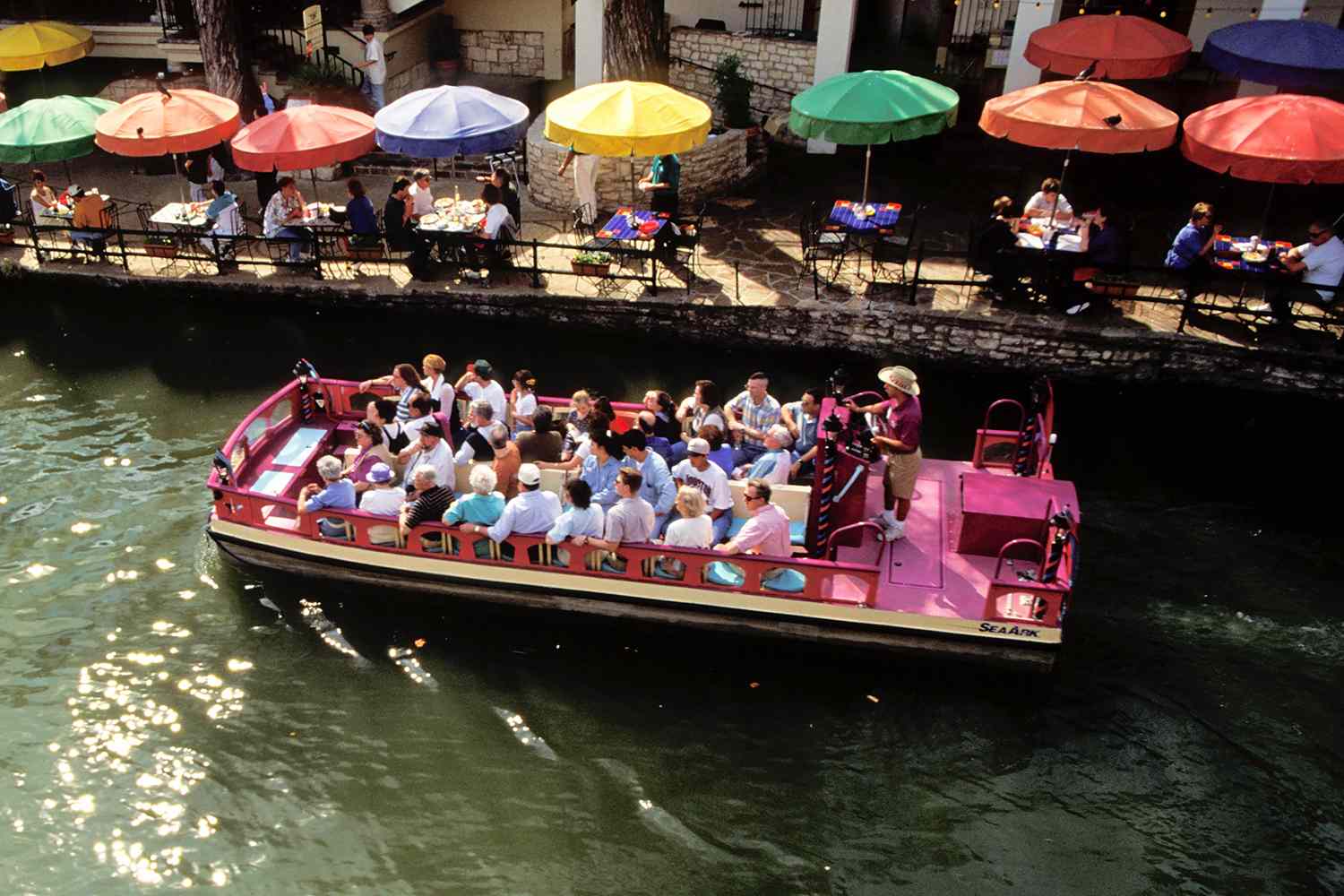
San Antonio river cruise tours operate from multiple embarkation points, but the 706 River Walk dock serves as the primary hub for ticketed departures. Boats seat forty passengers on open-air benches, with bilingual narration identifying landmarks by their Spanish and English names. The standard loop covers two and a half miles in thirty-five minutes, passing La Villita historic arts village, the Tower Life Building's Gothic Revival profile, and the ironwork balconies of the Torch of Friendship sculpture. Evening departures between May and September offer cooler temperatures and illuminated bridge arches, though the river's orientation within a downtown corridor means direct sunlight reaches the water only during midday hours year-round.

Hugman's vision turned liability into civic theater: a sunken promenade accessible only by descending into the floodplain.
Casual and comfortable clothing is recommended for your san antonio river cruise. Wear hats and sunglasses to protect against sun exposure during the day.
Boats have limited space, so large backpacks or bulky luggage are discouraged. Keep personal items compact for a comfortable san antonio river cruise experience.
Photography is encouraged throughout your san antonio river cruise. Capture scenic bridges and riverbanks, but please be mindful of other passengers during the 35-minute tour.
The san antonio river cruise is perfect for families, offering a gentle, 35-minute narrated tour. Infants must sit on an adult's lap.
The eco-friendly electric boats used for each san antonio river cruise are fully ADA-accessible. Please inform staff 24 hours in advance if you require specific assistance.
Guests may purchase beverages from the Go Rio Beverage Bar to enjoy during the tour. Outside food and drink rules vary; verify current boat policies upon arrival.
Operating Hours
10:00–22:00
Address
706 River Walk, San Antonio, TX 78205
Accessibility
Full ADA access available
Best arrival
10:00–11:30
Baggage
Compact seating, minimize carry-ons
Navigation
Follow signage to Go Rio docks
Tickets are valid for use on any date, making them flexible for your travel plans. No refunds are provided for missed departures or unused tickets.
Recommended time
1-2 hours
A typical san antonio river cruise lasts approximately 35 minutes, though you should allocate extra time for boarding and navigating the popular River Walk pathways. Planning your visit for the 10:00–11:30 arrival window helps you bypass the heaviest pedestrian congestion and queue times at the dock. Engaging in these san antonio river cruise tours allows you to appreciate the city landmarks from the water, while purchasing san antonio river cruise tickets in advance can further streamline your experience. You might consider extra time if you plan to explore the surrounding subterranean walkways after your san antonio river cruise tour concludes.
Crowd levels through the day
The San Antonio River meandered through the heart of Texas long before European settlement, serving as a lifeline for indigenous peoples and later Spanish missionaries who established Mission San Antonio de Valero in 1718. By the early twentieth century, the river had become a municipal headache. Devastating floods in 1921 and 1913 drowned downtown streets and claimed lives, prompting city engineers to propose a radical solution: pave over the waterway entirely and convert it into an underground storm sewer. Architect Robert Hugman intervened in 1929 with a counterproposal that would preserve the river as a sunken park lined with cobblestone paths, arched bridges, and native landscaping. His vision borrowed from European canal cities and aimed to transform flood risk into economic asset. Construction began in 1939 under the Works Progress Administration, employing hundreds of workers who dredged sediment, poured seventeen thousand feet of sidewalk, and planted cypress, willow, and banana trees along the banks. The project stalled during World War II and languished through the 1950s as downtown commerce migrated to suburban shopping centers. HemisFair '68 revived interest when city planners extended the River Walk south to connect the fairgrounds, adding restaurants and tour boat docks. The first san antonio river cruise tours launched shortly after, using flat-bottomed barges modeled on Mexican trajineras to navigate the shallow channel. Commercial expansion accelerated in the 1980s when developers lined the Paseo del Rio with hotels, shops, and entertainment venues. The river's original flood-control purpose remained relevant: a 1998 extension project added a bypass tunnel to divert stormwater while preserving the tourist corridor. Today's san antonio river cruise tickets grant access to a four-mile loop that threads beneath street-level bridges and past interpretive markers explaining the WPA stonework and Hugman's original design principles. The river that nearly vanished beneath concrete now carries over a million passengers annually, its survival a testament to preservation advocacy and adaptive reuse of urban waterways.
Spanish missionaries establish settlements along the San Antonio River, using it for irrigation and transportation.
Catastrophic flooding kills fifty people and devastates downtown, spurring debates over the river's future.
Architect Robert Hugman proposes transforming the river into a sunken commercial park instead of paving it over.
WPA workers construct sidewalks, bridges, and landscaping along a horseshoe bend below street level.
HemisFair expansion extends the River Walk southward and introduces passenger barge service for tourists.
Commercial development intensifies with hotels and restaurants lining the Paseo del Rio corridor.
City completes a bypass tunnel to manage flood risk while protecting the historic tourist channel.
The River Walk operates year-round with narrated san antonio river cruise tours serving over one million annual riders.
Position yourself at the upper stone seating tiers for a wide-angle perspective of the stage framed by lush riverside cypress trees. The stonework provides a textured foreground leading toward the water.
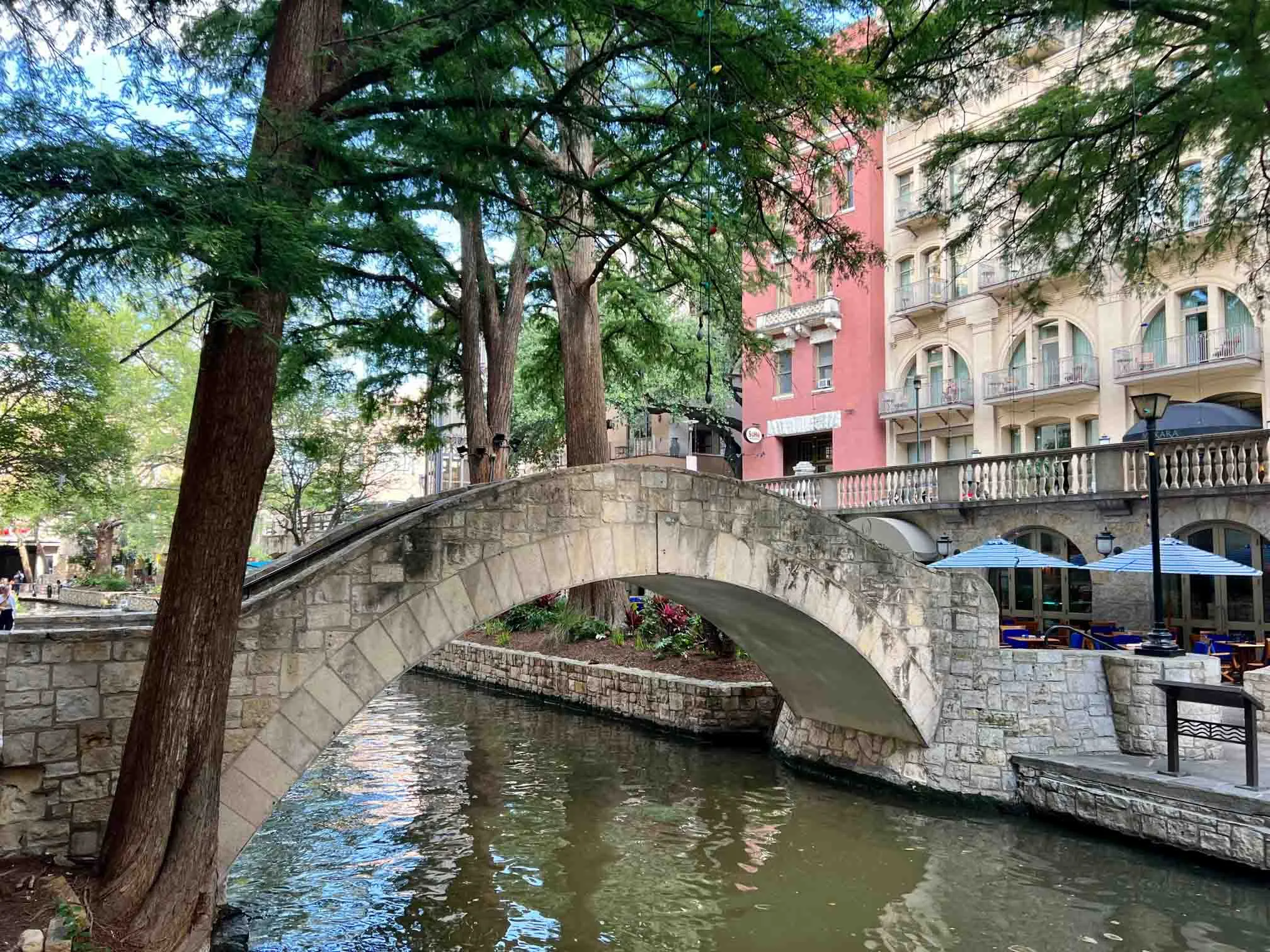
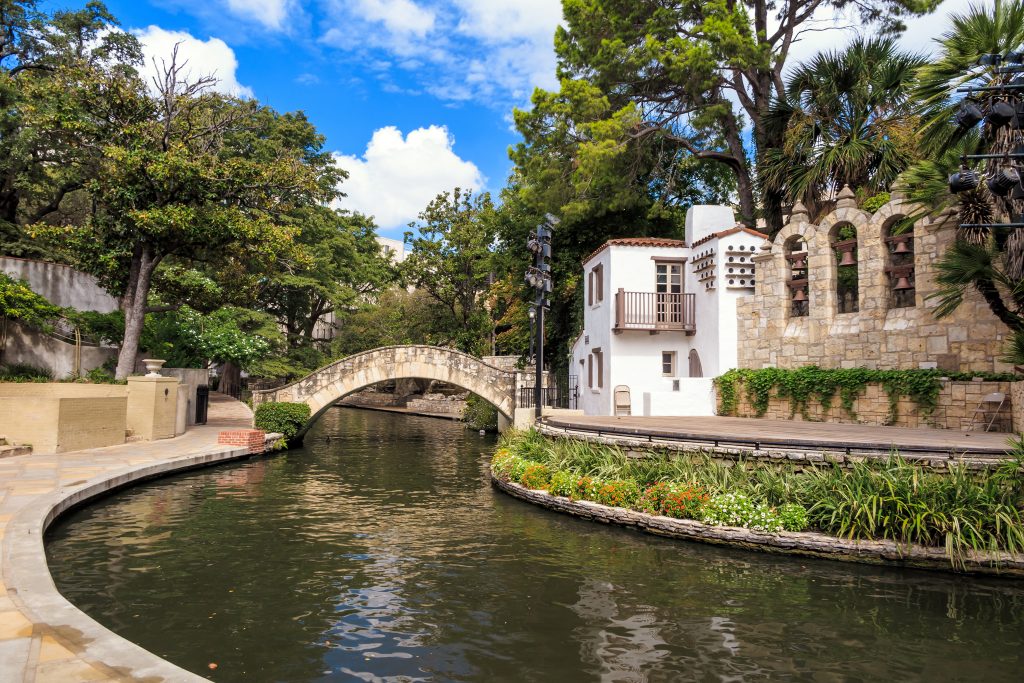
Stand on the lower pedestrian path just before the stone archway to capture the juxtaposition of limestone masonry against the flowing canal water. This angle highlights the classic architecture typical of a san antonio river cruise route.
From this specific curve in the path, photograph the boats as they navigate the sharp bend with the city skyline reflecting in the water. This spot offers a clear view of the bustling waterway and its iconic canal-side flora.
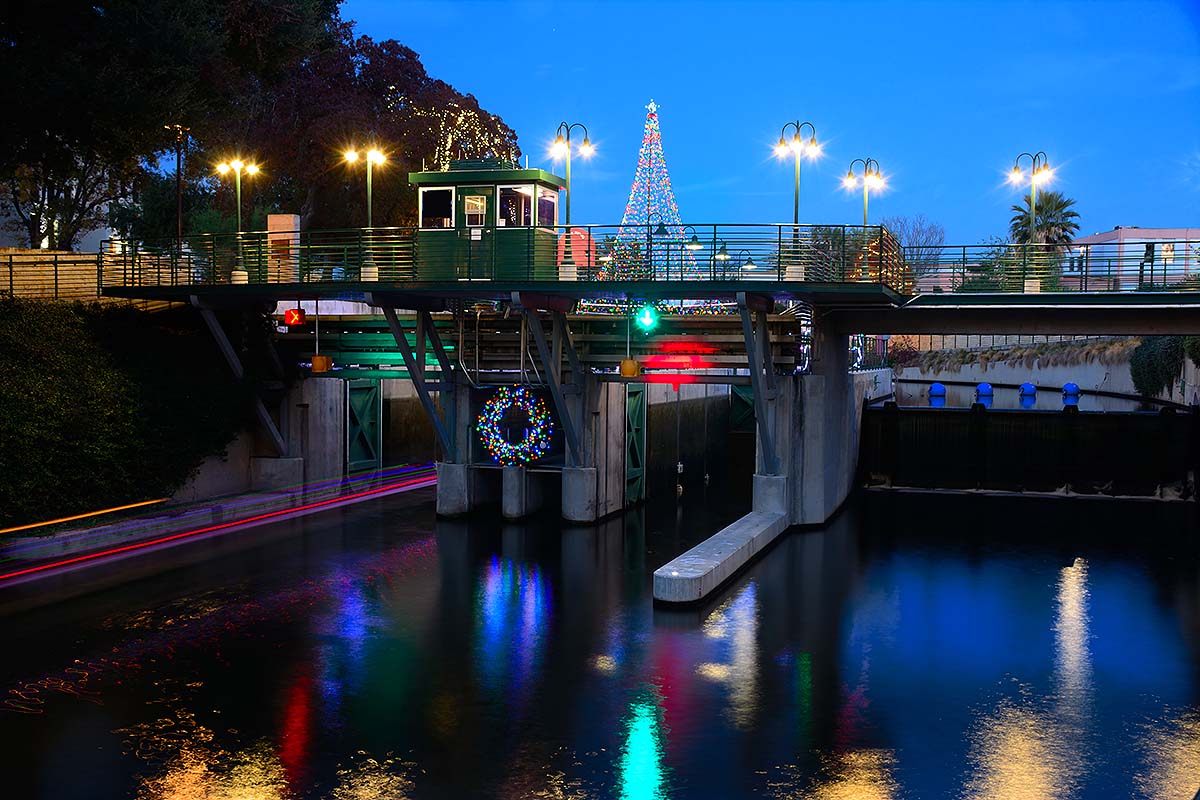
Capture the industrial charm of the water control infrastructure where the stone walls meet the modern iron fixtures. It serves as a stark contrast to the greenery and is a favorite for those taking san antonio river cruise tours.
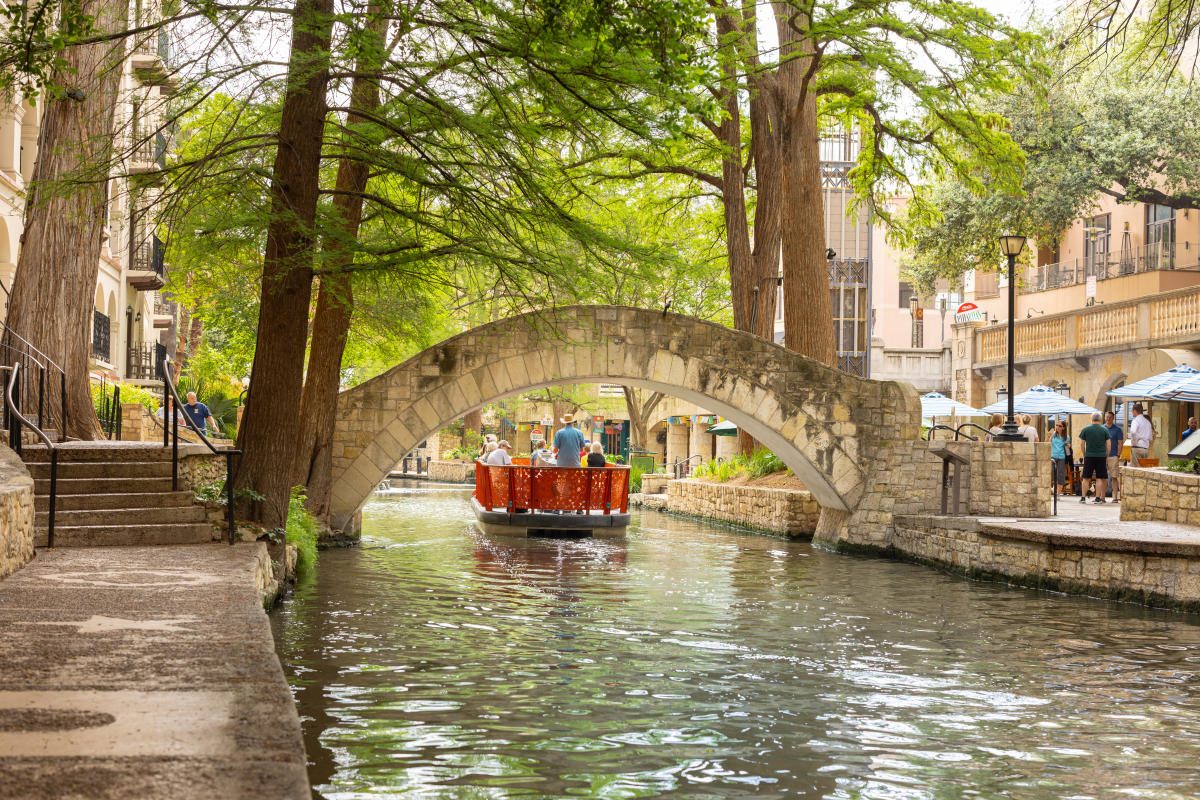
Shoot from the center of the span to capture the symmetric reflection of the surrounding historic district buildings in the water below. This vantage point is ideal for documenting the local landmarks during your san antonio river cruise tour.
Taking a san antonio river cruise is a gentle way to see the city landmarks without tiring out little legs. These boat tours offer a shaded perspective of the canal that helps keep children engaged while parents relax.
You must fold strollers before boarding the vessel as space on the deck is limited. It is best to plan your san antonio river cruise tours around nap times to avoid overtired toddlers in tight quarters.
There are no restrooms on the boats, so ensure everyone visits the facilities on the River Walk level before you depart. Buying your san antonio river cruise tickets in advance helps you head straight to the queue after a quick bathroom stop.
The narrated san antonio river cruise tour provides consistent movement that can soothe infants. We recommend visiting early in the day to keep the children comfortable before the afternoon sun reaches its peak.
Point out the ducks and fish swimming alongside the boat to keep kids focused during the ride. Older children often enjoy spotting the different bridges and historic architecture passing overhead.
The River Walk offers a diverse array of culinary options near your san antonio river cruise, ranging from casual patio spots to historic establishments. Whether you seek a quick bite before boarding or a sit-down meal after your San Antonio landmarks exploration, the surrounding streets provide ample choices to satisfy any appetite.
Renowned for tableside guacamole and prickly pear margaritas, this spot is perfect for a refined meal after your san antonio river cruise tours.
Real experiences from real travelers
The narrated boat tour gave us a great overview of the River Walk's history and architecture. Our guide pointed out the original WPA stonework and explained how the channel was transformed in the 1930s. We spotted herons along the quieter stretches. Best taken in late afternoon when the heat breaks.
Boarding near the Museum Reach section meant we avoided the busiest part of the Paseo del Rio. The cruise wound through shaded bends where cypress roots dip into the current. Commentary covered everything from flood control engineering to the Fiesta connection. Well worth the 35 minutes.
Seeing the River Walk from water level changes your sense of scale entirely. The limestone banks rise higher than you expect, and the bridges create dramatic frames. Our captain navigated the tight turns smoothly while sharing stories about local families who built the businesses here. Go in spring when the bald cypress trees are bright green.
The san antonio river cruise tickets included access at multiple docks, which was convenient. We learned about the original Spanish acequia system and how the river nearly got paved over in the 1920s. Some sections felt crowded with other boats, but the route through the quieter northern stretch was lovely. Bring sun protection.
You notice things from the barge that you miss walking—carved stone details on the bridges, the way restaurant patios are built on different levels, schools of fish near the dam. The guide's microphone was clear even with street noise above. We timed it for sunset and watched the lights come on along the banks.
The river tour took us past the historic La Villita district and under fifteen different bridges. Each turn revealed new architecture, from Spanish Colonial to mid-century modern hotels. Our guide knew the names of the trees and pointed out where the original channel had been widened. A solid way to orient yourself before exploring on foot.
The shade from the overhanging trees and the breeze off the water made this the most comfortable part of our afternoon. We saw turtles sunning on logs near the Eagleland Drive section. The recorded narration switched between English and Spanish. Boats depart every fifteen minutes, so no long waits.
My parents appreciated being able to sit while still seeing the sights along the Paseo del Rio. The barges are stable and easy to board. We passed under the Arneson River Theatre and learned about its unique design. The captain answered questions about the ecosystem and the ongoing conservation work. Simple but well-executed.
The san antonio river cruise tours run along a route that covers both the bustling downtown section and the quieter Museum Reach extension. From the water you appreciate how the multi-level pathways were engineered into the natural limestone. We went on a weekday morning and had the boat mostly to ourselves. Highly functional way to see a lot in a short time.
The 35-minute loop provided context we would have missed walking. Our guide discussed the 1968 HemisFair expansion and pointed out where old mill sites once stood. The water is surprisingly clear in sections, and you can see the rock bottom. Evening departures offer a different atmosphere with the pathway lights reflecting on the surface.
Everything you need to know for your journey
The attraction is open daily from 10:00–22:00.
The adult price is 16.78 USD, which includes an 8.25% sales tax.
Yes, the boats are fully ADA-accessible for all guests.
Photography is highly encouraged to capture the beauty of the downtown landmarks.
Prohibited items include glass containers, weapons, and large suitcases.
We recommend the 10:00–11:30 window to avoid heat and crowds.
Beverages from the Go Rio bar are allowed, but check specific boat policies for food.
You can board at 706 River Walk or other designated docks.
Yes, children are welcome, though infants must sit on an adult's lap.
Cruises may be suspended during inclement weather for safety reasons.
The Alamo and La Villita are within walking distance of the river.
Join thousands of happy travelers who have discovered this incredible experience
Book Your Experience Now